Understanding the Various Triggers That Influence Our Behavior
- Renee Scott-Webster
- Jul 15
- 3 min read

Updated: Jul 19
Human behavior often feels like a complex puzzle. Why do we react a certain way in some situations but not in others? What causes us to make decisions that seem automatic or even irrational? The answer lies in understanding the triggers that influence our behavior. These triggers are the subtle or obvious cues that prompt us to act, think, or feel in specific ways. Recognizing these triggers can help us gain better control over our actions and improve our interactions with others.
What Are Behavioral Triggers?
Behavioral triggers are stimuli that initiate a response in an individual. These can be external, like sights, sounds, or smells, or internal, such as emotions or memories. Triggers can be positive, encouraging helpful habits, or negative, leading to unwanted reactions.
For example, the smell of fresh coffee might trigger a morning routine, while a stressful email notification could prompt anxiety or distraction. Understanding these triggers helps explain why people sometimes act without conscious thought.
Types of Triggers That Shape Our Actions
Environmental Triggers
Our surroundings play a significant role in shaping behavior. Certain environments or objects can prompt specific responses. For instance:
Visual cues: A clean workspace might encourage productivity, while clutter can cause distraction.
Sounds: Background music can influence mood and focus. Upbeat tunes may energize, while soft melodies can calm.
Smells: Scents like lavender can reduce stress, while food aromas might trigger hunger or cravings.
These environmental factors often work subconsciously, guiding our behavior without us realizing it.
Emotional Triggers
Emotions are powerful drivers of behavior. Certain feelings can activate memories or reactions that influence how we respond. Examples include:
Fear: Hearing a loud noise might trigger a fight-or-flight response.
Joy: Receiving praise can boost confidence and motivate further effort.
Sadness: A particular song or place might evoke memories that lead to withdrawal or reflection.
Emotional triggers often connect to past experiences, making them deeply personal and sometimes unpredictable.
Social Triggers
Humans are social beings, and interactions with others strongly affect behavior. Social triggers include:
Body language: A smile can encourage openness, while crossed arms might signal defensiveness.
Verbal cues: Tone of voice or choice of words can influence mood and reactions.
Group dynamics: Peer pressure or social norms can push individuals to conform or rebel.
Understanding social triggers helps improve communication and relationships by recognizing how others’ behavior impacts us.
Cognitive Triggers
Our thoughts and beliefs also act as triggers. These internal cues shape how we interpret situations and decide on actions. Examples include:
Expectations: Believing a task will be difficult might cause procrastination.
Biases: Past experiences can create mental shortcuts that influence judgments.
Goals: Focusing on a desired outcome can motivate persistence and effort.
Cognitive triggers highlight the importance of mindset in shaping behavior.
How Triggers Affect Daily Life
Triggers influence many aspects of everyday life, often without conscious awareness. Here are some practical examples:
Eating habits: Seeing a commercial for fast food might trigger cravings, even if you’re not hungry.
Work performance: A cluttered desk or constant notifications can reduce focus and productivity.
Relationships: A partner’s tone or facial expression can trigger emotional responses that affect communication.
Health behaviors: Stressful situations might trigger habits like smoking or nail-biting.
By identifying these triggers, individuals can develop strategies to manage or change their responses.
Strategies to Manage and Use Triggers Effectively
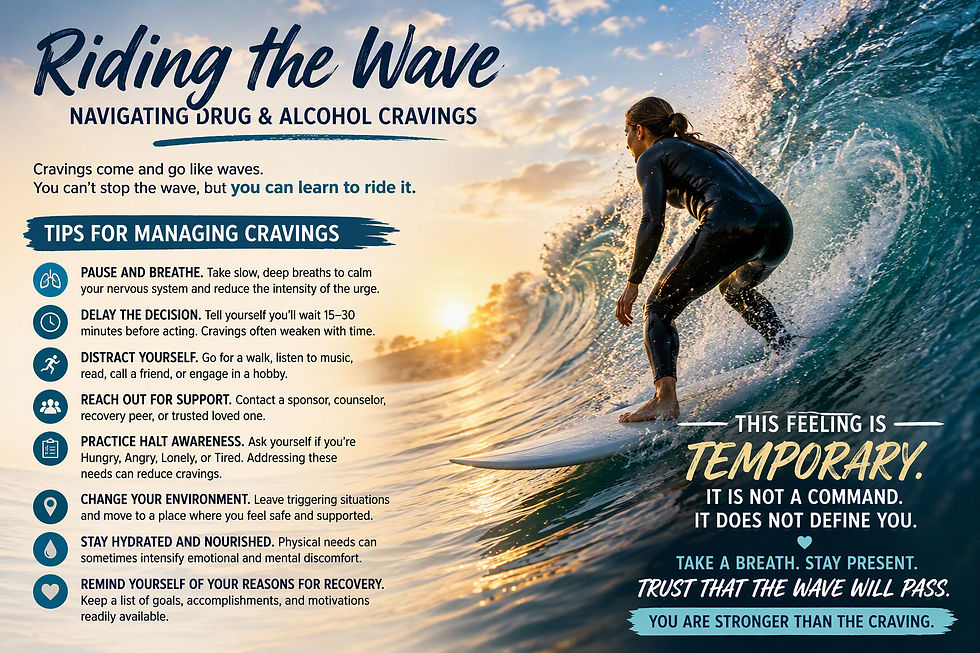
Recognizing triggers is the first step toward managing behavior. Here are some practical approaches:
Awareness: Keep a journal to note situations that trigger specific behaviors or emotions.
Environment control: Modify surroundings to support positive habits, such as organizing your workspace or reducing distractions.
Emotional regulation: Practice mindfulness or breathing exercises to manage emotional triggers.
Social boundaries: Communicate clearly and set limits to reduce negative social triggers.
Cognitive reframing: Challenge negative thoughts and replace them with positive or realistic alternatives.
Using triggers intentionally can also help build good habits. For example, placing workout clothes by the bed can trigger morning exercise routines.
The Role of Triggers in Personal Growth
Understanding triggers is essential for self-improvement. It allows people to:
Break unwanted habits by identifying and avoiding negative triggers.
Build new habits by creating positive triggers.
Improve emotional intelligence by recognizing how feelings influence actions.
Enhance relationships by understanding social cues and responses.
This knowledge empowers individuals to make conscious choices rather than reacting automatically.
Triggers shape much of what we do, often behind the scenes. By paying attention to the cues that influence behavior, anyone can gain insight into their actions and make meaningful changes. Start by observing your environment, emotions, and thoughts to identify your unique triggers. From there, you can take steps to manage them and create a life that reflects your true intentions.



Comments