Understanding Substance Use and Recovery Strategies
- Renee Scott-Webster
- Jun 28
- 4 min read

Substance use is a complex issue that affects millions of individuals and families worldwide. It encompasses a range of behaviors, from casual use to addiction, and can have profound impacts on physical health, mental well-being, and social relationships. Understanding the nuances of substance use and the various recovery strategies available is essential for those affected and their loved ones. This blog post aims to provide a comprehensive overview of substance use, its effects, and effective recovery strategies.

The Nature of Substance Use
Substance use refers to the consumption of psychoactive substances, which can include alcohol, prescription medications, and illicit drugs. While many people use these substances recreationally without developing problems, others may find themselves struggling with dependence or addiction.
Types of Substances
Alcohol: Widely accepted in many cultures, alcohol can lead to significant health issues when consumed excessively.
Prescription Drugs: Medications like opioids and benzodiazepines can be effective for treatment but pose risks for misuse.
Illicit Drugs: Substances such as cocaine, heroin, and methamphetamine are illegal and often lead to severe health consequences.
Nicotine: Commonly found in tobacco products, nicotine is highly addictive and poses numerous health risks.
Understanding Addiction
Addiction is characterized by compulsive substance use despite harmful consequences. It often involves physical dependence, where the body adapts to the substance, leading to withdrawal symptoms when not used. Psychological dependence can also occur, where individuals feel a strong urge to use the substance to cope with stress or emotional pain.
The Impact of Substance Use
Substance use can have far-reaching effects on individuals and their communities. Understanding these impacts is crucial for addressing the issue effectively.
Physical Health Consequences
Chronic Diseases: Long-term substance use can lead to conditions such as liver disease, heart problems, and respiratory issues.
Infectious Diseases: Sharing needles or engaging in risky behaviors can increase the risk of HIV, hepatitis, and other infections.
Mental Health Disorders: Substance use is often linked to mental health issues, including anxiety, depression, and psychosis.
Social and Economic Effects
Family Dynamics: Substance use can strain relationships, leading to family conflict, divorce, and child neglect.
Workplace Issues: Employees struggling with substance use may experience decreased productivity, absenteeism, and job loss.
Community Impact: High rates of substance use can lead to increased crime, homelessness, and strain on healthcare systems.
Recovery Strategies
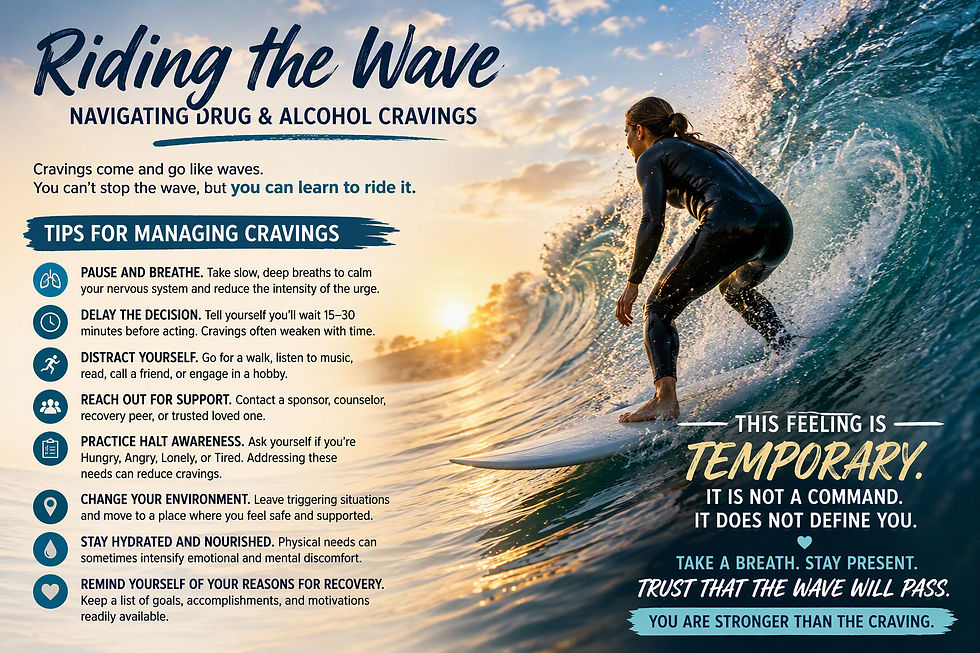
Recovery from substance use is a personal journey that varies for each individual. There are several strategies and approaches that can support this process.
Professional Treatment Options
Detoxification: This is often the first step in recovery, where individuals are safely withdrawn from the substance under medical supervision.
Inpatient Rehabilitation: Intensive treatment programs provide a structured environment for individuals to focus on recovery.
Outpatient Programs: These allow individuals to receive treatment while maintaining their daily responsibilities.
Behavioral Therapies
Cognitive Behavioral Therapy (CBT): This approach helps individuals identify and change negative thought patterns related to substance use.
Motivational Interviewing: This technique encourages individuals to explore their motivations for change and develop a plan for recovery.
Contingency Management: This method provides incentives for positive behaviors, such as staying sober.
Support Groups
Support groups play a vital role in recovery by providing a sense of community and shared experience. Some popular options include:
Alcoholics Anonymous (AA): A 12-step program for individuals struggling with alcohol use.
Narcotics Anonymous (NA): Similar to AA, but focused on all forms of drug addiction.
SMART Recovery: A science-based approach that emphasizes self-empowerment and personal responsibility.
Holistic Approaches
In addition to traditional treatment methods, many individuals find success with holistic approaches that support overall well-being. These can include:
Mindfulness and Meditation: Practices that promote relaxation and self-awareness.
Yoga and Exercise: Physical activity can improve mood and reduce stress.
Nutrition: A balanced diet supports physical health and can aid in recovery.
The Role of Family and Community
Recovery is not solely an individual journey; it involves the support of family and community. Engaging loved ones in the recovery process can enhance outcomes and provide a strong support system.
Family Involvement
Education: Families should educate themselves about substance use and recovery to better understand their loved one's experience.
Communication: Open and honest communication can foster trust and support.
Family Therapy: Involving family members in therapy can address underlying issues and improve relationships.
Community Resources
Communities can play a significant role in supporting recovery through:
Access to Treatment: Ensuring that treatment options are available and affordable for those in need.
Public Awareness Campaigns: Educating the public about the risks of substance use and the importance of recovery.
Supportive Environments: Creating spaces where individuals in recovery feel safe and supported.
Conclusion
Understanding substance use and the various recovery strategies available is crucial for individuals and families affected by this issue. By recognizing the complexities of addiction and the importance of support, we can foster a more compassionate and informed approach to recovery. Whether through professional treatment, behavioral therapies, or community support, there are paths to healing and a healthier future. If you or someone you know is struggling with substance use, take the first step towards recovery today. Reach out for help and explore the options available.


Comments