Healing Trauma: Support for First Responders
- Renee Scott-Webster
- Jun 28
- 3 min read

First responders are often the unsung heroes of our communities, stepping into chaotic situations to provide aid and support. However, the emotional toll of their work can be immense. Trauma is a common experience among these individuals, and it can lead to long-lasting effects if not addressed properly. In this blog post, we will explore the unique challenges faced by first responders, the impact of trauma on their mental health, and effective strategies for healing and support.

Understanding Trauma in First Responders
What is Trauma?
Trauma is a psychological response to a deeply distressing or disturbing event. For first responders, this can include witnessing horrific accidents, dealing with violent situations, or experiencing the loss of life. The cumulative effect of these experiences can lead to conditions such as Post-Traumatic Stress Disorder (PTSD), anxiety, and depression.
Common Sources of Trauma
First responders encounter a variety of traumatic situations, including:
Accidents: Responding to car crashes, fires, or natural disasters.
Violence: Engaging in situations involving domestic violence, shootings, or assaults.
Death: Witnessing fatalities or dealing with the aftermath of a death can be particularly challenging.
Understanding these sources of trauma is crucial for developing effective support systems.
The Impact of Trauma on Mental Health
Emotional and Psychological Effects
The emotional toll of trauma can manifest in various ways. First responders may experience:
Flashbacks: Reliving traumatic events as if they are happening again.
Avoidance: Steering clear of reminders of the trauma, which can lead to isolation.
Hyperarousal: Being easily startled, feeling tense, or having difficulty sleeping.
These symptoms can interfere with daily life and relationships, making it essential to seek help.
Physical Health Consequences
The stress associated with trauma can also lead to physical health issues, such as:
Chronic pain: Tension and stress can manifest as physical discomfort.
Cardiovascular problems: Stress can increase the risk of heart disease.
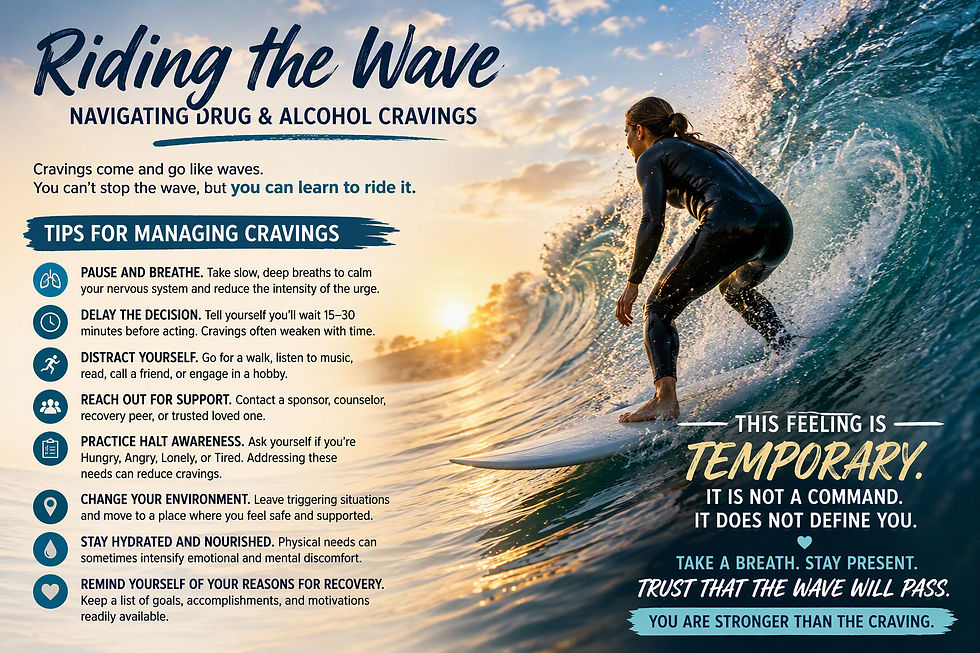
Substance abuse: Some first responders may turn to alcohol or drugs as a coping mechanism.
Recognizing these potential consequences is vital for early intervention and support.
Strategies for Healing and Support
Building a Supportive Environment
Creating a supportive environment is essential for first responders to heal from trauma. This can include:
Peer Support Programs: Establishing programs where first responders can share their experiences and feelings in a safe space.
Family Involvement: Encouraging family members to participate in support activities can help strengthen relationships and understanding.
Professional Help
Seeking professional help is a critical step in addressing trauma. Options include:
Therapy: Engaging in individual or group therapy can provide a safe space to process experiences.
Counseling: Specialized counseling for first responders can help address unique challenges and coping strategies.
Mindfulness and Stress Reduction Techniques
Incorporating mindfulness and stress reduction techniques can significantly aid in healing. Some effective methods include:
Meditation: Practicing mindfulness meditation can help reduce anxiety and improve emotional regulation.
Yoga: Engaging in yoga can promote relaxation and physical well-being.
Breathing Exercises: Simple breathing techniques can help manage stress in the moment.
Training and Education
Providing training and education on trauma can empower first responders to recognize symptoms in themselves and their peers. This can include:
Workshops: Hosting workshops on trauma awareness and coping strategies.
Resource Distribution: Providing access to literature and resources on mental health.
The Role of Organizations
Implementing Mental Health Programs
Organizations that employ first responders should prioritize mental health programs. This can involve:
Regular Check-Ins: Conducting regular mental health check-ins to identify those who may need support.
Access to Resources: Ensuring that first responders have access to mental health resources and support services.
Creating a Culture of Openness
Fostering a culture where discussing mental health is normalized can help reduce stigma. This can be achieved through:
Leadership Support: Leaders should openly discuss mental health and encourage their teams to seek help.
Training for Supervisors: Providing training for supervisors on how to support their teams effectively.
Personal Stories of Resilience
Case Study: A Firefighter's Journey
Consider the story of a firefighter who responded to a devastating house fire. After witnessing the loss of life, he struggled with feelings of guilt and anxiety. Through peer support and professional counseling, he learned to process his trauma and found strength in sharing his story with others. This journey not only helped him heal but also inspired his colleagues to seek help.
The Power of Community
Another example is a group of paramedics who formed a support group after experiencing a series of traumatic calls. By sharing their experiences and coping strategies, they created a sense of community that fostered healing and resilience.
Conclusion
Healing trauma is a journey that requires support, understanding, and effective strategies. First responders play a crucial role in our communities, and it is essential to prioritize their mental health. By building supportive environments, seeking professional help, and fostering open discussions about trauma, we can help these heroes heal and thrive.
If you or someone you know is a first responder struggling with trauma, reach out for help. Remember, you are not alone, and support is available.


Comments