Essential DBT Skills for Emotional Regulation and Personal Growth
- Renee Scott-Webster
- Jul 15
- 3 min read

Managing intense emotions can feel overwhelming. Many people struggle with reactions that seem out of control, leading to stress, conflict, or self-doubt. Dialectical Behavior Therapy (DBT) offers practical skills that help individuals regulate emotions, improve relationships, and foster personal growth. This post explores key DBT skills and how you can apply them in daily life to build resilience and emotional balance.

Understanding DBT and Its Purpose
DBT was developed to help people who experience intense emotions and difficulty managing them. It combines cognitive-behavioral techniques with mindfulness practices. The goal is to teach skills that reduce emotional suffering and improve decision-making.
The core areas of DBT skills include:
Mindfulness
Distress tolerance
Emotional regulation
Interpersonal effectiveness
Each area targets specific challenges and offers tools to handle emotions and relationships more effectively.
Mindfulness: The Foundation of DBT
Mindfulness means paying full attention to the present moment without judgment. It helps you become aware of your thoughts, feelings, and surroundings, which is the first step in managing emotions.
How to practice mindfulness:
Focus on your breath for a few minutes.
Notice sensations in your body.
Observe thoughts as they come and go without reacting.
For example, if you feel anger rising, mindfulness lets you recognize it early. Instead of reacting impulsively, you can pause and choose a calmer response.
Distress Tolerance: Managing Crisis Without Making Things Worse
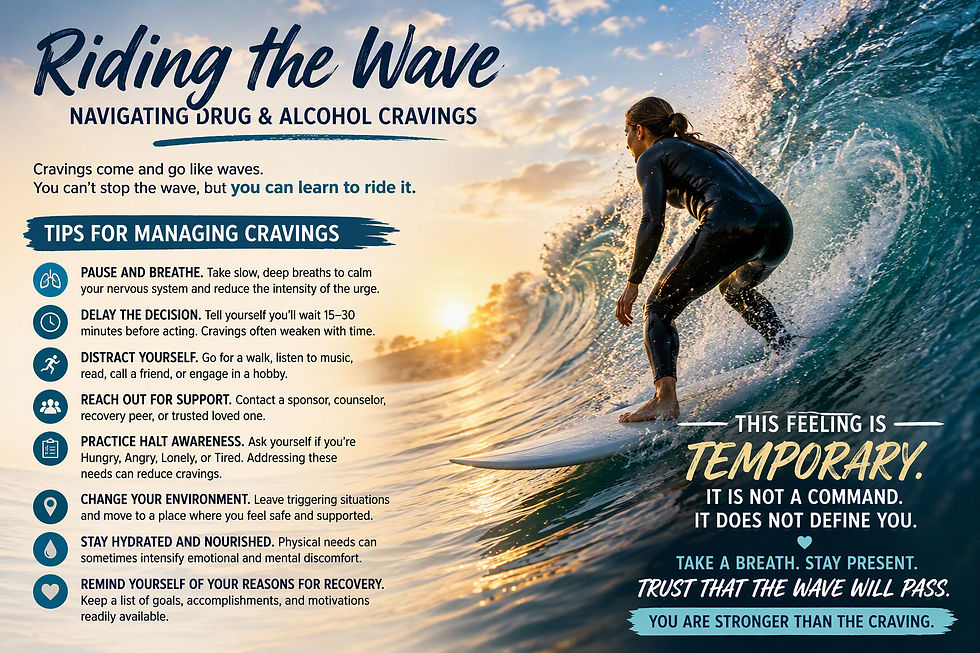
Distress tolerance skills help you survive emotional pain when situations feel unbearable. These skills do not solve problems but prevent impulsive actions that might cause harm.
Common distress tolerance techniques:
TIP skills: Change your body’s reaction by holding ice, deep breathing, or pacing.
Self-soothing: Use your senses to calm yourself, like listening to music or taking a warm bath.
Distraction: Engage in activities like reading, walking, or hobbies to shift focus.
Imagine facing a sudden argument. Instead of escalating, you use distraction or deep breathing to stay grounded until you feel ready to address the issue calmly.
Emotional Regulation: Understanding and Changing Emotions
Emotional regulation skills teach you how to identify emotions, reduce vulnerability to negative feelings, and increase positive experiences.
Key strategies include:
Check the facts: Ask if your emotional reaction fits the situation.
Opposite action: Act opposite to the emotion. For example, if you feel like isolating, reach out to a friend.
Build positive experiences: Schedule activities that bring joy or relaxation regularly.
For instance, if sadness makes you withdraw, opposite action encourages you to engage socially, which can lift your mood over time.
Interpersonal Effectiveness: Building Healthy Relationships
DBT emphasizes skills for communicating needs, setting boundaries, and maintaining self-respect in relationships.
Important interpersonal skills:
DEAR MAN: Describe the situation, Express feelings, Assert needs, Reinforce rewards, stay Mindful, Appear confident, Negotiate.
GIVE: Be Gentle, Interested, Validate, and use an Easy manner.
FAST: Be Fair, no Apologies for self-respect, Stick to values, be Truthful.
For example, if you need a coworker to help with a project, DEAR MAN guides you to ask clearly and respectfully, increasing the chance of a positive response.
Applying DBT Skills in Daily Life
Integrating DBT skills takes practice. Start small by choosing one skill to focus on each week. Keep a journal to track your emotions and how you respond. Over time, you’ll notice greater control and less emotional turmoil.
Tips for success:
Practice mindfulness daily, even for a few minutes.
Use distress tolerance when emotions spike unexpectedly.
Reflect on emotional triggers and try opposite action.
Role-play interpersonal skills with a trusted friend or therapist.
When to Seek Professional Support
While DBT skills are helpful for many, some situations require guidance from a trained therapist. If emotions feel overwhelming or interfere with daily life, consider professional help. Therapists can tailor DBT techniques to your needs and provide support through challenges.
Mastering DBT skills offers a clear path to emotional balance and stronger relationships. By practicing mindfulness, managing distress, regulating emotions, and communicating effectively, you build resilience that supports personal growth. Start with one skill today and take control of your emotional well-being.

Comments