Embracing Spirituality as a Path to Holistic Self-Care
- Renee Scott-Webster
- Jul 15
- 3 min read

In a world where stress and burnout are common, many seek ways to nurture their well-being beyond physical health. Spirituality offers a powerful path to self-care that addresses the mind, body, and soul. It helps people find meaning, peace, and balance in their daily lives. This post explores how embracing spirituality can enrich your self-care routine and provide lasting benefits.
Understanding Spirituality in Self-Care
Spirituality is often misunderstood as strictly religious practice. In reality, it is a broad concept that involves connecting with something greater than oneself. This connection can be with nature, the universe, a higher power, or one’s inner self. Spirituality encourages reflection, mindfulness, and a sense of purpose.
In self-care, spirituality supports emotional resilience and mental clarity. It helps people cope with challenges by fostering hope and acceptance. Unlike self-care focused only on physical health, spiritual self-care nurtures the inner world, which often influences overall well-being.
Practical Ways to Incorporate Spirituality into Daily Life
You don’t need to follow a specific religion or tradition to benefit from spiritual self-care. Here are some practical ways to bring spirituality into your routine:
Mindful Meditation
Spend a few minutes each day in quiet meditation. Focus on your breath or a calming mantra. This practice reduces stress and helps you connect with your inner peace.
Nature Connection
Take walks in natural settings like parks, forests, or near water. Observing the natural world can inspire awe and a sense of belonging.
Journaling
Write about your thoughts, feelings, and experiences. Reflecting on your life journey can deepen self-awareness and spiritual growth.
Gratitude Practice
List things you are grateful for daily. Gratitude shifts focus from problems to blessings, enhancing emotional well-being.
Creative Expression
Engage in art, music, or dance as a way to express your inner self. Creativity can be a spiritual outlet that fosters joy and connection.
How Spirituality Enhances Emotional and Mental Health
Research shows that spiritual practices can improve mental health by reducing anxiety and depression. Spirituality provides a framework for understanding life’s challenges, which can lessen feelings of isolation and despair.
For example, people who meditate regularly often report better emotional regulation and increased feelings of calm. Spiritual communities also offer social support, which is vital for mental health.
Spirituality encourages forgiveness and compassion, both toward oneself and others. These qualities promote healthier relationships and reduce internal conflicts.
Spirituality and Physical Health: The Connection
While spirituality primarily nurtures the mind and soul, it also impacts physical health. Stress reduction through spiritual practices can lower blood pressure, improve sleep, and boost the immune system.
For instance, studies indicate that people who engage in regular prayer or meditation experience fewer symptoms of chronic illness. The calming effects of spiritual rituals help the body recover and maintain balance.
Incorporating spirituality into self-care creates a holistic approach that supports all aspects of health.
Creating a Personalized Spiritual Self-Care Plan
Everyone’s spiritual journey is unique. To build a spiritual self-care plan that fits your life, consider these steps:
Identify What Resonates
Explore different spiritual practices and notice what feels meaningful. It could be meditation, prayer, spending time in nature, or reading inspirational texts.
Set Realistic Goals
Start small with daily or weekly practices. Consistency matters more than intensity.
Create a Sacred Space
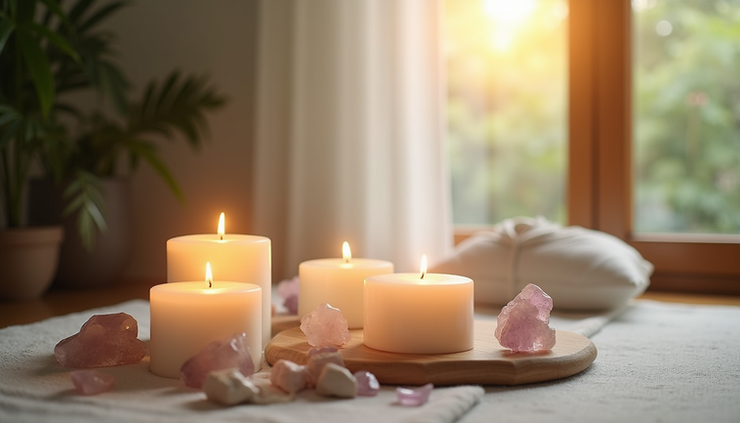
Dedicate a corner in your home for spiritual activities. This space can include candles, plants, or objects that inspire you.
Seek Community
Join groups or classes that share your spiritual interests. Connection with others can deepen your experience.
Reflect and Adjust
Regularly check in with yourself to see how your spiritual practices affect your well-being. Adjust your routine as needed.
Overcoming Common Challenges
Some people hesitate to explore spirituality because they fear judgment or feel uncertain where to start. Remember, spirituality is personal and flexible. It does not require strict rules or beliefs.
If you struggle with consistency, try pairing spiritual practices with daily habits like morning coffee or evening wind-down. Use reminders or apps to support your routine.
If you feel overwhelmed, focus on simple acts like deep breathing or expressing gratitude. Small steps can lead to meaningful change.
Spirituality offers a rich and accessible path to self-care that nurtures the whole person. By integrating spiritual practices into your life, you can build resilience, find peace, and enhance your overall well-being. Start with small, meaningful actions and watch how your inner world transforms. Your journey to holistic self-care begins with a single mindful step.



Comments